
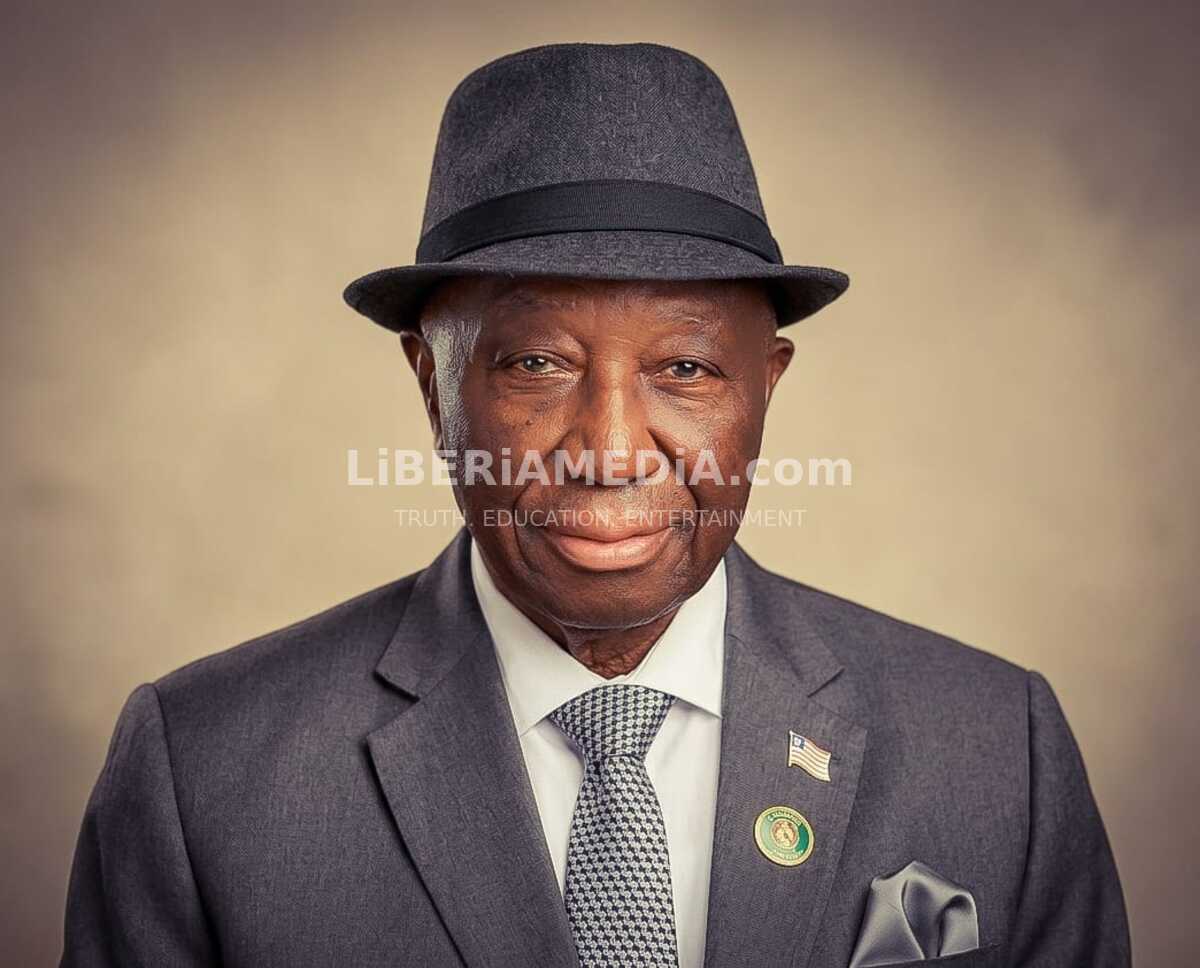
President Joseph Nyuma Boakai has received a landmark Liberia National Health Insurance Bill that could reshape healthcare access for millions of Liberians and legal residents.
The Ministry of Health formally presented the proposed Liberia Health Equity Fund for Universal Health Coverage (LHEF) Bill and the framework for the Health Equity Authority of Liberia (HEAL) to the President on Tuesday, June 23, 2026, at the Executive Mansion in Monrovia.
The Liberia National Health Insurance Bill represents one of the most significant health policy developments in the country in years, aiming to establish a sustainable national insurance scheme that shields households from catastrophic out-of-pocket medical costs while expanding access to quality care nationwide. For more local news and updates, visit LiberiaMedia.com.
What the Liberia National Health Insurance Bill Seeks to Achieve
At its core, the bill proposes pooling financial contributions from multiple sources — government, employers, employees, and the private sector — to create a shared fund that covers healthcare costs for all contributors and their dependents. This approach mirrors the global push for universal health coverage, which the World Health Organization (WHO) defines as ensuring all people have access to quality health services without suffering financial hardship.
The Liberia National Health Insurance Bill aligns with the Health and Sanitation Pillar of President Boakai’s ARREST Agenda for Inclusive Development, which prioritizes access to quality healthcare, improved public health systems, and expanded sanitation and clean water access across the country.
Receiving the bill, President Boakai called it a significant step toward ensuring every Liberian has access to affordable, quality healthcare. He declared that a government committed to its citizens must guarantee healthcare alongside education and other essential services.
“If we give the people quality education and full access to healthcare, that country will be great,” Boakai stated.
The President also called for an aggressive public awareness campaign to help citizens understand the benefits of the proposed scheme and how the pooling model works.
How the Fund Will Be Financed
The Ministry of Health outlined several revenue streams to sustain the Liberia National Health Insurance Bill over the long term. Formal sector contributions will be collected through NASSCORP, Liberia’s National Social Security and Welfare Corporation, which already administers pension and social welfare contributions for workers across the country.
- Formal sector payroll contributions: Between 0.5% and 1.0% of salaries, shared by employers and employees and collected through NASSCORP under HEAL regulations
- VAT allocation: Between 1% and 3% of Value Added Tax collections, with the final percentage to be determined
- Mobile money surcharge: A one-cent levy on all mobile money transactions conducted in Liberia
- Mining concessions: Mandatory contributions from Class A and B mining companies, with amounts set by regulation
- Informal sector contributions: Periodic lump-sum payments from unions, associations, and other groups, collected by the Liberia Revenue Authority (LRA)
- Excise tax share: 10% of total national excise tax collections
- Environmental levies: 5% of revenues from pollution-related activities and relevant taxes on manufacturers and distributors
- Health insurance levies: Additional charges on companies providing health-related insurance services
Together, these streams are designed to create a dependable and diversified funding base capable of supporting equitable healthcare access across all counties.
A Model Built on Proven Global Examples
President Boakai acknowledged that the Liberia National Health Insurance Bill does not require reinventing the wheel. He pointed to successful health insurance models in other countries as reference points, while emphasizing that any adopted framework must be tailored to Liberia’s unique social and economic circumstances.
He assured stakeholders that his administration remains fully committed to supporting the bill’s passage and implementation, and praised the Ministry of Health team for their work in drafting the legislation. He encouraged continued community engagement to build public trust before rollout.
The bill now enters the legislative review process, with its eventual passage expected to mark a turning point in how Liberia delivers and finances public healthcare. Stay updated on this and other national developments at LiberiaMedia.com.
— Randall Saye | LiberiaMedia.com