
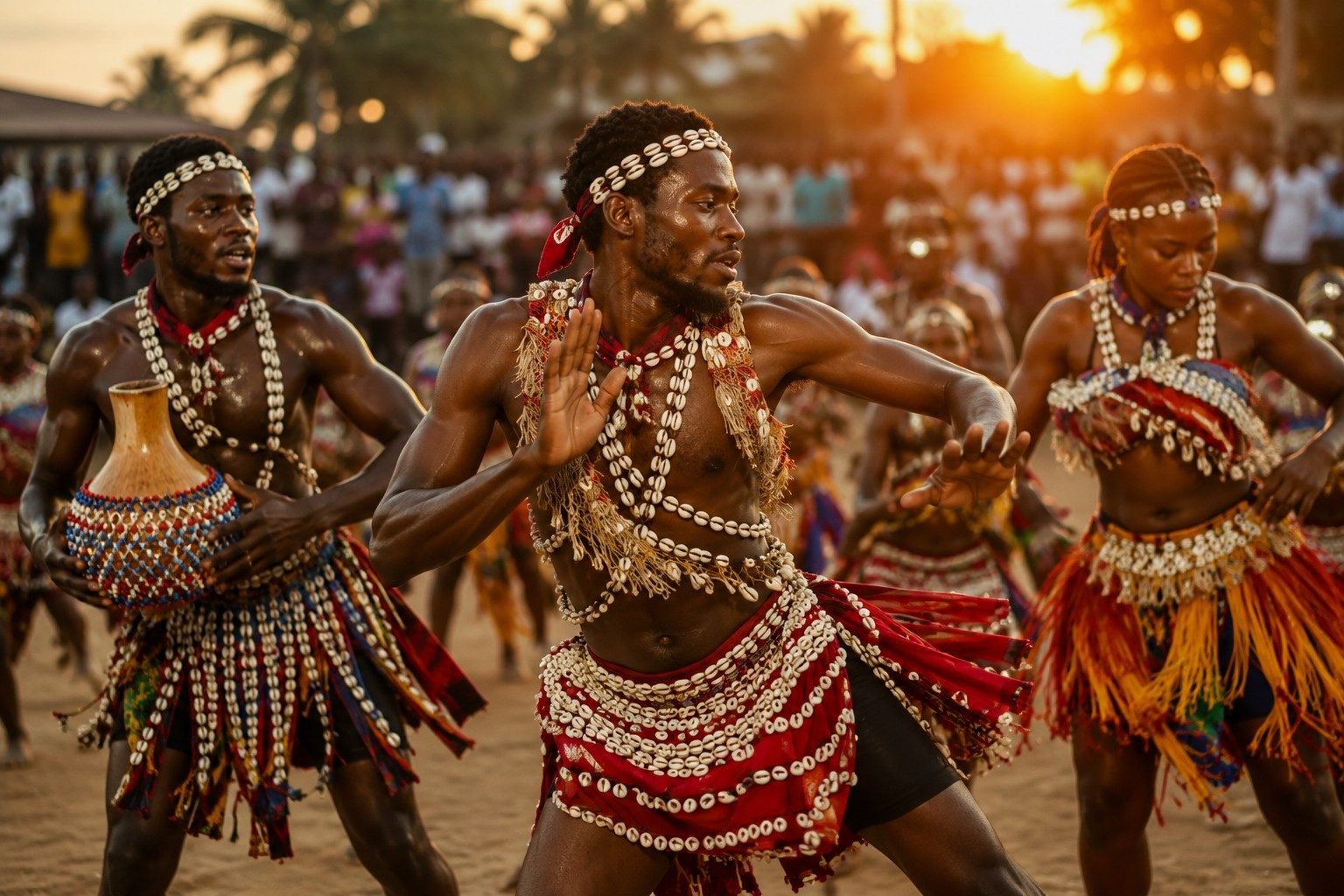
Ask ten Liberians what their culture means to them, and you’ll likely get ten different answers — a grandmother’s recipe, the sound of drums at a naming ceremony, the way elders are greeted with a bow. Liberian culture isn’t just the clothing, the dances, or the food, though those matter too. It’s the quiet, everyday stuff — the language spoken at home, the songs sung at weddings, the respect shown to those who came before. Across Liberia’s fifteen counties, these traditions still hold communities together, and they’re a big part of why LiberiaMedia.com keeps returning to culture as a core beat.
Spend a weekend traveling the country and you’ll see it in action. A wedding in Grand Bassa might open with drumming that gets the whole yard dancing. A gathering in Lofa could center on customs that have been handed down so many times nobody remembers exactly when they started. Meanwhile, in Monrovia, young producers are mixing traditional rhythms into new music, proof that the old and the new don’t have to compete.
None of this survived by accident. Liberian culture has weathered civil conflict, hard economic years, and the fast pull of modern life, yet it’s still here — still bringing Liberians together at home and connecting them with family abroad. If anything, the pressure of change has made people more intentional about holding onto what makes them Liberian.
Understanding Liberian culture really means holding two things at once: respect for where it came from, and curiosity about where it’s headed. From handwoven cloth and carved masks to Afrobeats-influenced tracks blasting from a taxi radio, the identity keeps growing without losing its roots.
A Country Built From Many Traditions
Liberia is home to sixteen officially recognized indigenous ethnic groups, according to Encyclopaedia Britannica’s overview of Liberia’s people — among them the Kpelle, Bassa, Gio, Mano, Kru, Grebo, Vai, Gola, Lorma, Kissi, Mandingo, Krahn, Belleh, Mende, Dey, and Gbandi. Each has its own language, music, and way of doing things, but spend time in any of these communities and you’ll notice the same underlying values: family comes first, elders are respected, and neighbors look out for one another.
Layered on top of that is the influence of the Americo-Liberian settlers who arrived in the 1800s, bringing architectural styles, church traditions, and political structures that mixed with what was already here. Over generations, these threads wove together into something distinctly Liberian — not one culture, but many, sharing a home. The Embassy of Liberia’s profile of the Liberian people offers a good starting point for readers who want a deeper dive into how these communities came together.
That diversity is arguably the country’s greatest cultural asset. The clothing, ceremonies, and dialects change from one county to the next, but when there’s something to celebrate, people find a way to celebrate it together — a pattern worth watching for anyone following Liberian news and culture coverage.
July 26th: A Day the Whole Country Marks
Every July 26, Liberians mark Independence Day — the anniversary of the 1847 declaration that made Liberia a nation. It’s one of the biggest dates on the calendar, and it pulls people together across every background and county.
Schools put on parades. Churches hold special services. Local officials organize sports days and cultural showcases, and most households tune in for the President’s national address. In smaller communities, the celebration often looks less official and more personal — neighbors cooking together, kids performing dances they’ve practiced for weeks.
For a lot of families, July 26 doubles as a reunion. People travel home from other counties, sometimes from other countries, just to sit down together and eat. Those meals do more than fill stomachs — they’re where the stories and traditions actually get passed down, one conversation at a time.
Beyond the flag-waving, the day gives Liberians a moment to take stock: how far the country has come, what still needs work, and what kind of nation the next generation will inherit. It’s a reminder that celebrating Liberian culture isn’t just about looking backward — it’s also about deciding what gets carried forward.
The Music Keeps Evolving — And That’s the Point
If there’s one thread running through Liberian identity, it’s music. Drumming and traditional song still anchor weddings, naming ceremonies, and community festivals, just as they always have.
Every ethnic group has its own musical fingerprint — rhythms and lyrics that carry history, mark milestones, and keep oral traditions alive without a word ever being written down. That’s still how a lot of cultural knowledge gets passed from grandparents to grandchildren.
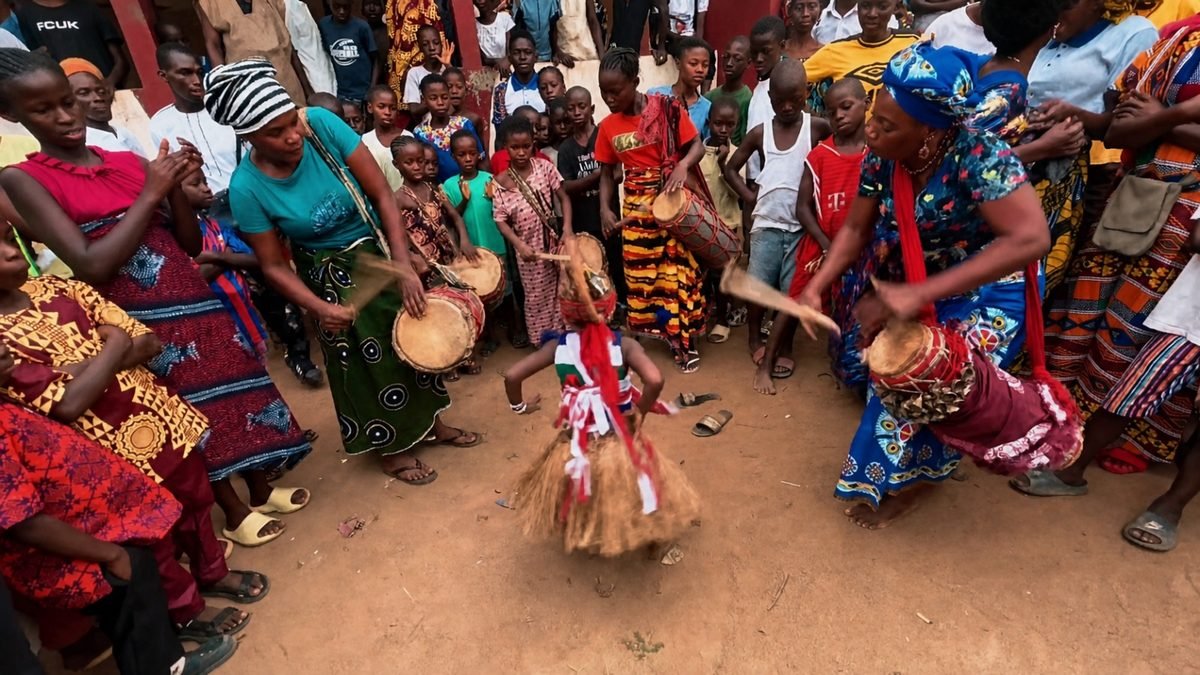
Groups like the National Cultural Troupe have made a point of keeping these performances visible, staging traditional dance and music at national events so younger Liberians — many raised on smartphones and streaming — still get a chance to see where it all started.
At the same time, nobody’s trying to freeze the music in place. Today’s artists are blending local languages and rhythms with gospel, Afrobeats, and Hipco, building sounds that feel current without cutting ties to where they came from. It’s a good reminder that culture isn’t a museum piece — it’s alive, and it’s still being written by every generation that adds something new to it.
lovely culture