
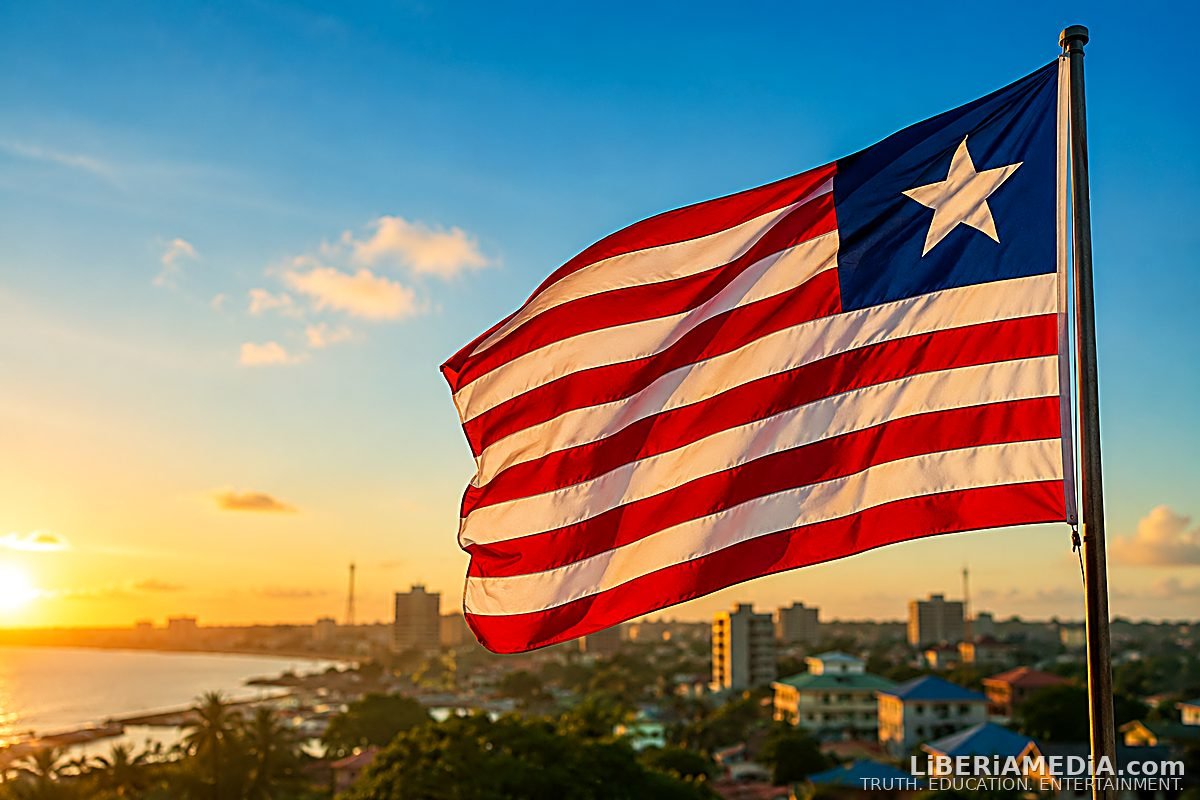
Every July 26, Liberia marks Liberia Independence Day, commemorating the moment in 1847 when the settlement founded by freed African-American slaves declared itself a free, sovereign nation. It is the oldest independence celebration on the African continent, and it remains one of the most significant dates on the Liberian calendar, observed with national pride both at home and across the diaspora.
The Origins of Liberia Independence Day
Liberia’s story begins decades before 1847. In 1816, the American Colonization Society was formed in the United States to resettle free-born and formerly enslaved Black Americans in West Africa. The first group of settlers landed on the Pepper Coast in 1822, establishing a colony that was named Liberia in 1824, with its capital at Monrovia, named for U.S. President James Monroe.
For 25 years, the colony operated under the Society’s oversight. Facing growing colonial pressure from European powers and seeking full self-governance, the settlement’s leaders drafted a Declaration of Independence and formally established the Republic of Liberia on July 26, 1847. This made Liberia the first African republic to declare independence, and to this day it shares a rare distinction with Sierra Leone as one of only two countries founded specifically as homelands for freed slaves.
How Liberia Independence Day Is Observed
Liberia Independence Day is a national holiday under the country’s Patriotic and Culture Observances Law, and government offices and businesses close for the observance. Celebrations typically include a national parade, a keynote address from the sitting president, church services and interfaith prayer gatherings, cultural displays, and community feasting. Each year, national celebrations rotate to a different city, with the president issuing a formal proclamation naming that year’s location and theme.
The occasion also carries strong religious significance. Liberians are traditionally called upon to gather in their places of worship, regardless of denomination, to give thanks in the days surrounding the holiday, reflecting the deep role faith has played in the nation’s founding narrative.
This Year’s Independence Day: The 179th Anniversary
In 2026, Liberia marks its 179th Independence Day. President Joseph Nyuma Boakai Sr. issued a proclamation designating this year’s official festivities for the City of Buchanan in Grand Bassa County, under the theme “Strengthening National Identity Through Liberian-led Historical Leadership.” The proclamation, consistent with past years, called on citizens and residents nationwide to observe the holiday, with businesses and offices closed and religious gatherings encouraged in the days leading up to the celebration.
The choice of theme reflects a recurring focus in recent Liberia Independence Day observances: reconnecting national identity with Liberia’s own historical leadership and self-determination, themes that echo the original 1847 declaration itself.
Why Liberia Independence Day Still Matters
For many Liberians, both within the country and in diaspora communities across the United States and Europe, Liberia Independence Day is more than a date on the calendar. It is a yearly opportunity to reflect on a distinctive national story, one shaped by resilience through periods of civil conflict, epidemic, and economic hardship, and to reaffirm a shared sense of identity rooted in the country’s founding ideals.
As Liberia continues to navigate its development path, Liberia Independence Day remains a touchstone for national conversations about governance, unity, and the country’s place in Africa’s broader story of self-rule.
For more coverage of Liberian culture, history, and national events, visit LiberiaMedia.com. You can also explore our ongoing features on Liberian heritage on the homepage.
Sources: Ministry of Foreign Affairs of Liberia via APO Group, Office Holidays