
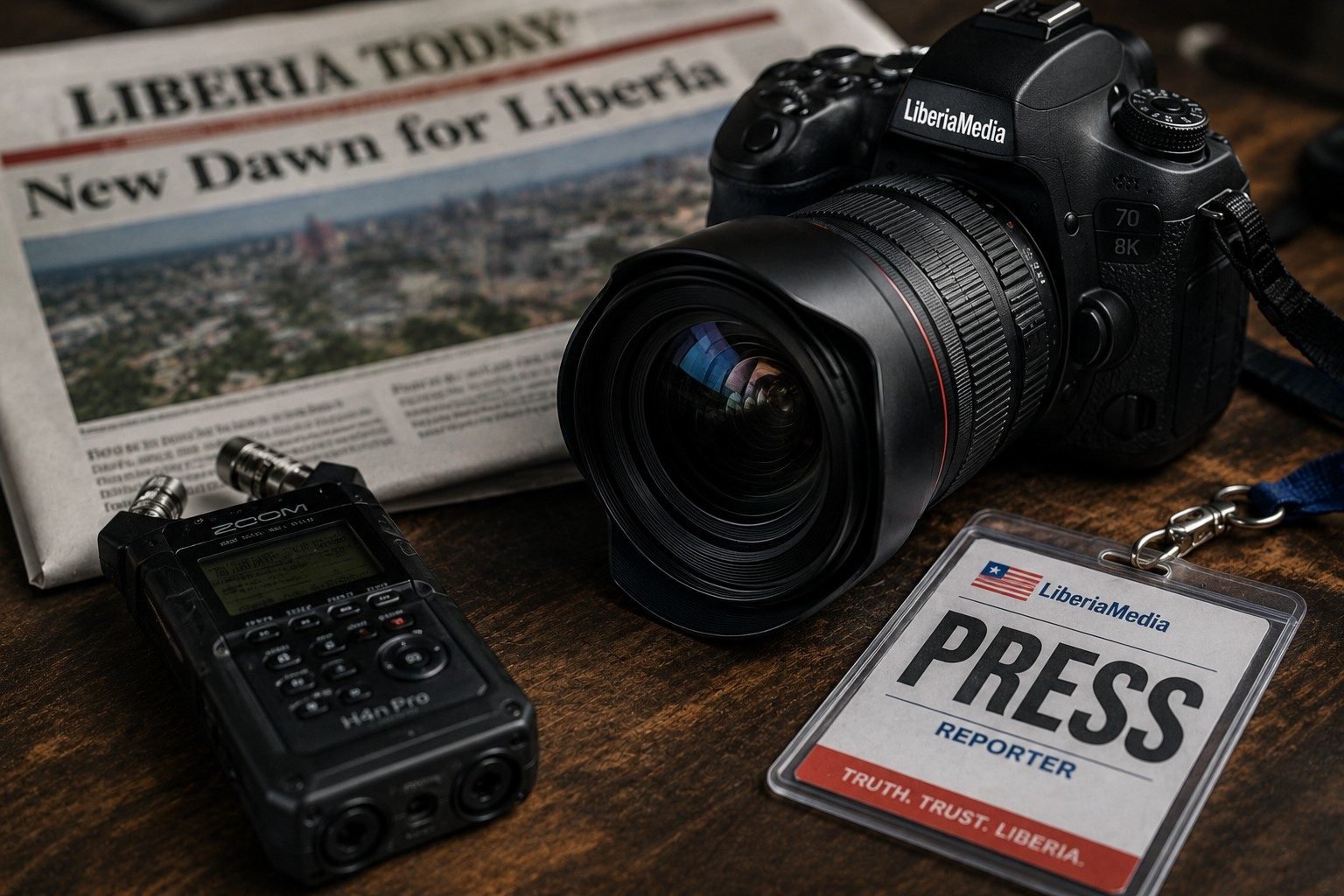
A rumor can cross Monrovia before breakfast. By the time it’s been shared, screenshotted, and argued over in three different WhatsApp groups, most people have already made up their minds about what “happened” — whether it did or not. That’s exactly why Liberian journalism matters more now than it did a decade ago, not less. A trained reporter who actually shows up, asks the hard question, and checks the facts before publishing is doing something a viral post can’t: telling the truth on the record.
Local journalism isn’t just about stating facts. It’s what keeps a democracy honest. When a reporter digs into how a public hospital is being run, or why a road contract stalled halfway through construction, they’re standing in for the rest of us — eyes and ears in rooms most citizens never get into. That watchdog function is what keeps power a little more transparent and ordinary people’s concerns a little more likely to be heard in government.
A Media Landscape That’s Vibrant, But Under Strain — Where Liberian Journalism Stands Today
Liberia’s press has never been short on ambition. Outlets like the Daily Observer, FrontPage Africa, and the New Dawn Liberia have spent years leading investigative reporting that’s actually shifted national policy, not just described it. That legacy matters, and it’s part of why supporting outlets doing real Liberian journalism — including LiberiaMedia.com — is worth taking seriously, not just as a media choice but as a civic one.
At the same time, the ground has shifted. Facebook and WhatsApp have turned every phone into a broadcast tool, and citizen journalism cuts both ways. It’s fast, it’s raw, and sometimes it breaks news before anyone with a press badge gets there. But speed isn’t the same as accuracy, and a lot of what spreads online skips the fact-checking and ethical guardrails that a real newsroom builds in. That gap is exactly why trained reporters — the ones separating verified news from rumor — matter more, not less, in a moment when misinformation can spark real unrest.
The Money Problem Nobody Talks About Enough
Here’s the uncomfortable part: professional Liberian journalism is underfunded, and it shows. Many newsrooms can’t pay salaries that keep experienced reporters in the field, so the best ones drift toward NGOs, government communications jobs, or media work abroad — a quiet brain drain that costs the country institutional memory every single year. This is one of the biggest threats facing Liberian journalism today, and it rarely gets the same attention as press freedom does. Supporting local media isn’t just about clicking a link or grabbing a physical paper off a stand. It’s an investment in whether communities get real information or just noise.
A free, well-resourced press isn’t a luxury item for a functioning country — it’s closer to infrastructure, the same way roads and electricity are. Readers are right to expect accuracy and fairness from the outlets they follow, but that expectation has to come with some recognition of what it actually takes to produce good reporting on a shoestring budget, often under real pressure.
Legal Pressure and Political Risk
The obstacles facing Liberian reporters go beyond money. Access to public information is still inconsistent, and political pressure on the press hasn’t disappeared just because the country is decades removed from civil war. Despite that, plenty of journalists keep showing up to cover stories that matter, often in conditions that would make most people rethink the profession entirely.
Organizations like the Press Union of Liberia have spent years pushing back on threats to the press and setting professional standards for the industry. But the legal environment is still complicated — libel laws in particular have occasionally been used as a tool to pressure reporters rather than to protect anyone’s reputation, and groups like Reporters Without Borders have documented ongoing attacks on outlets and individual journalists in recent years. That combination of financial strain and legal risk is a lot to ask of an industry that’s supposed to hold everyone else accountable.
Community Radio Deserves More Credit
It’s easy to think of journalism in terms of the big Monrovia dailies, but for a huge share of the country, the real lifeline is community radio. Stations like Radio Gbarnga and ELBC reach farmers, market women, and local leaders who don’t have reliable internet access, often broadcasting in local languages so nobody gets left out of the national conversation.
These stations aren’t a lesser version of “real” journalism — they’re frontline reporting on health, agriculture, and local governance that shapes daily decisions in ways a national headline rarely does. Supporting grassroots outlets matters just as much as subscribing to a city paper, maybe more, given how many Liberians actually depend on them for information that affects their lives directly.
Where This Leaves Us
Fixing the funding gap in Liberian journalism isn’t going to happen through good intentions alone. It’s going to take community-funded initiatives, partnerships with international media organizations, and real investment in the digital tools smaller newsrooms are still missing. Media literacy matters too — readers who can spot the difference between a sourced story and a rumor are readers who’ll actually pay for good reporting instead of settling for whatever’s loudest on Facebook that day. Ultimately, the survival of independent Liberian journalism depends as much on reader habits as it does on newsroom budgets.
A democracy is only as informed as the journalism that feeds it. Every time someone supports a local reporter, subscribes to an outlet doing the work, or shares a properly sourced story instead of an unverified screenshot, they’re protecting their own ability to hold power accountable. Whether it’s a community radio broadcast out of Gbarnga or a front-page investigation out of Monrovia, professional Liberian news and culture coverage is still the clearest torch this country has for keeping the truth visible. Read more of our perspectives in the Opinion section.