
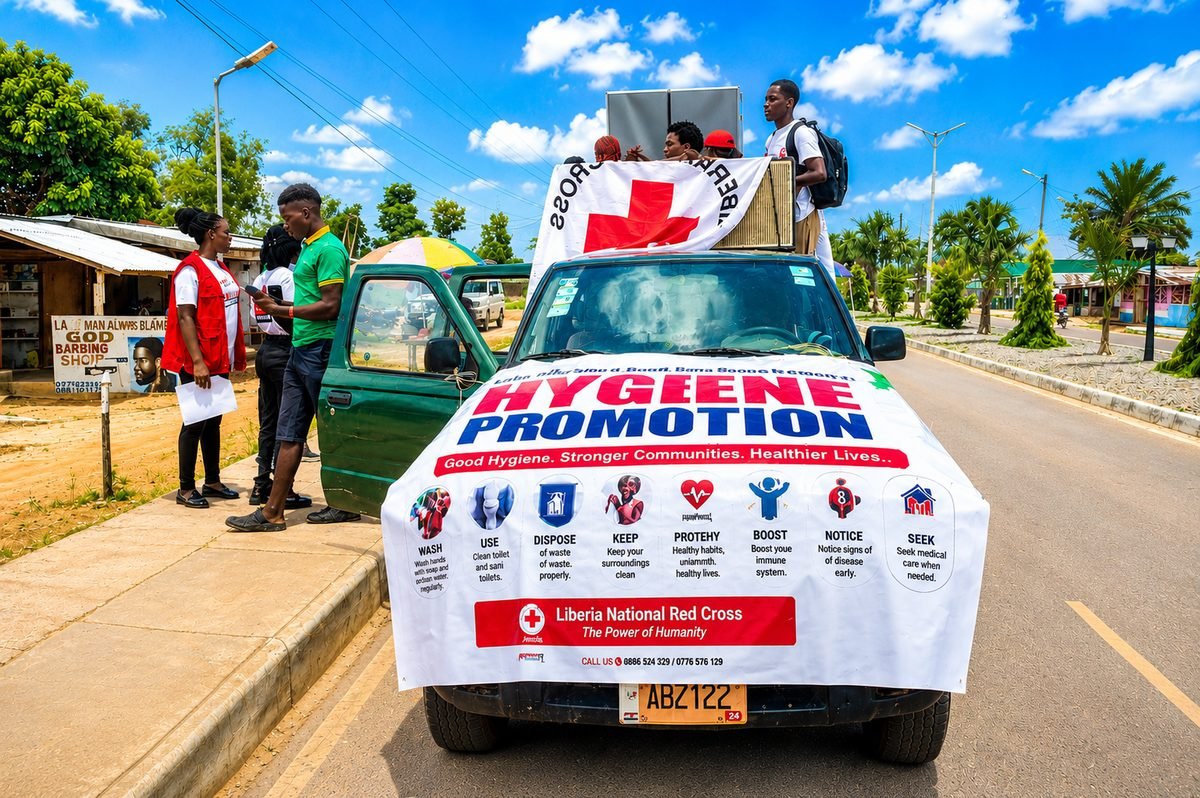
SANNIQUELLIE, Nimba County — The Liberia National Red Cross Society (LNRCS) has brought its Fire Prevention Awareness Campaign to residents of Sanniquellie City, delivering practical guidance on preventing fire disasters and protecting lives and property. The outreach brought together community members, local leaders, and volunteers to share fire safety measures that can reduce the risk of outbreaks in homes, schools, businesses, and public institutions.
The campaign is part of the LNRCS’s ongoing disaster risk reduction program, which aims to strengthen community resilience across Liberia by empowering residents with the knowledge to prevent emergencies before they start.
What the Fire Prevention Awareness Campaign Covered
The outreach was led by Winifred Zarbo, Field Officer of the LNRCS Nimba Chapter, with support from volunteers based in Sanniquellie. Teams visited neighborhoods, spoke directly with residents, and distributed educational materials covering essential fire prevention tips.
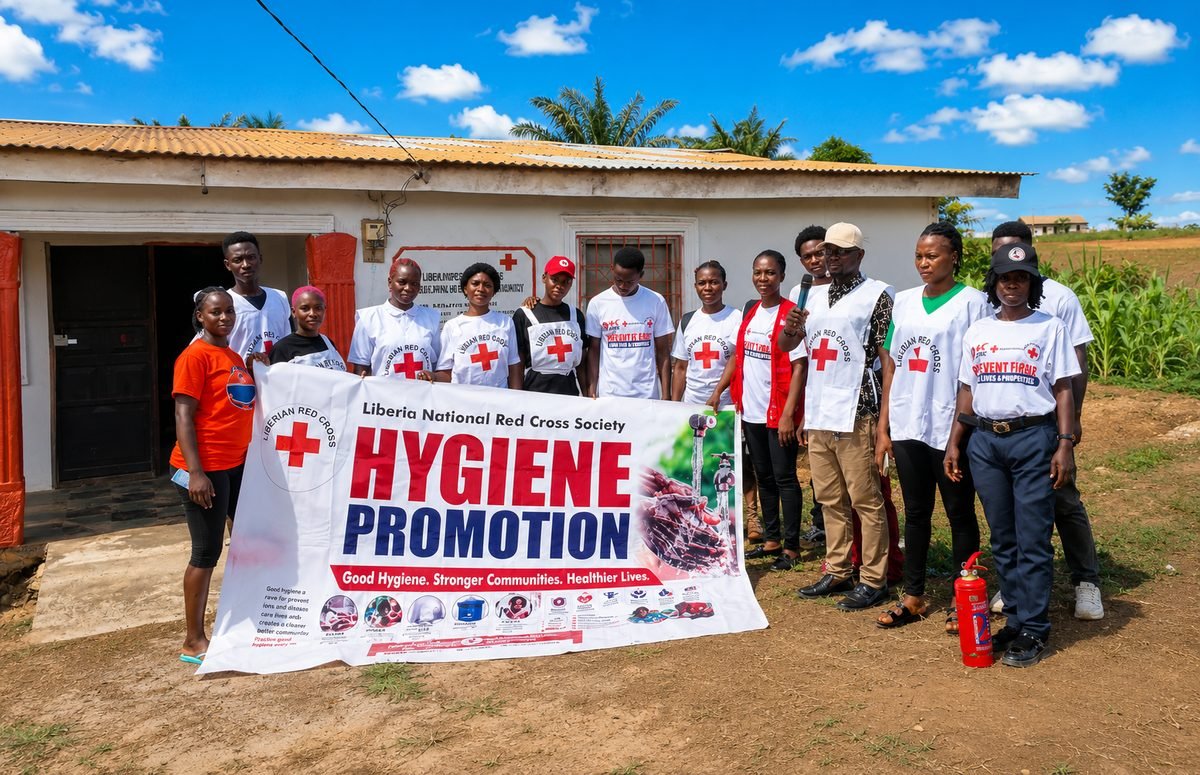
Participants took part in discussions and demonstrations designed to help them recognize common fire hazards and adopt safer daily habits. Volunteers encouraged residents to ask questions and share their own experiences, creating a two-way conversation rather than a one-directional lecture.
According to Zarbo, fire remains one of the most common emergencies affecting Liberian communities, and most incidents are preventable. She pointed to negligence, faulty wiring, overloaded outlets, unattended cooking, and misuse of electrical appliances as recurring causes — and said the campaign’s goal is to reduce these preventable incidents by promoting safer, more responsible behavior at home and at work.
Practical Safety Habits Residents Were Taught
Zarbo stressed that preventing a fire is far less costly than responding to one after the fact. Recommendations shared with residents included switching off appliances when not in use, avoiding overloaded sockets and extension cords, regularly inspecting wiring for damage, and having repairs handled only by qualified technicians.
Residents were also advised to keep flammable materials away from cooking areas, candles, generators, and other heat sources, and to supervise children closely around open flames. Volunteers walked participants through the correct response if a fire does break out: stay calm, alert others in the household, cut power only if it’s safe to do so, evacuate immediately, and call emergency responders rather than attempting to fight a large fire without proper equipment.
Community Response and Shared Responsibility
The materials distributed covered guidance suited to households, schools, churches, markets, and small businesses, with volunteers explaining each point so residents could pass the information on to relatives and neighbors. Many participants said they had previously overlooked basic fire safety habits and welcomed the reminder, while others raised local hazards they’d noticed — including damaged cords, illegal electrical connections, unattended charcoal stoves, and improper fuel storage.
Zarbo encouraged every household to build a simple emergency plan identifying safe exits, emergency contacts, and a family meeting point, and to walk children through the plan so everyone knows how to evacuate safely. She noted that preparedness is a shared responsibility: schools, businesses, religious institutions, and local authorities all have a role in reducing risk alongside individual households.
Business owners in particular were urged to inspect electrical installations regularly, avoid substandard equipment, keep emergency exits clear, and maintain a fire extinguisher where possible. For households without access to firefighting equipment, safe daily habits remain the most reliable line of defense.
Looking Ahead
The LNRCS says it will continue disaster preparedness outreach across Liberia through volunteer engagement and community education, with the Sanniquellie campaign marking one step in a broader effort to build resilience as electricity use and community growth continue. The organization is encouraging residents to treat fire safety as a shared responsibility — passing what they learned on to family, neighbors, and coworkers rather than keeping it to themselves.
For more community health and safety coverage, visit LiberiaMedia.com. Related disaster-preparedness reporting is also available on our homepage.
Sources: Liberia National Red Cross Society, International Federation of Red Cross and Red Crescent Societies
Great move
redcross thank you