
Liberia is taking a bold and decisive step toward ensuring that the nation’s vast natural resources and foreign investments deliver real and lasting benefits to ordinary Liberian citizens and businesses as senior government officials private sector leaders and international development partners gathered in Monrovia to advance the country’s proposed Local Content Policy.
The landmark One Day Validation Workshop on the Draft Local Content Policy held at the prestigious Mamba Point Hotel in Monrovia on May 28 2026 brought together some of the most influential voices in Liberian governance business and development to chart a new course for inclusive economic growth that puts Liberians first.
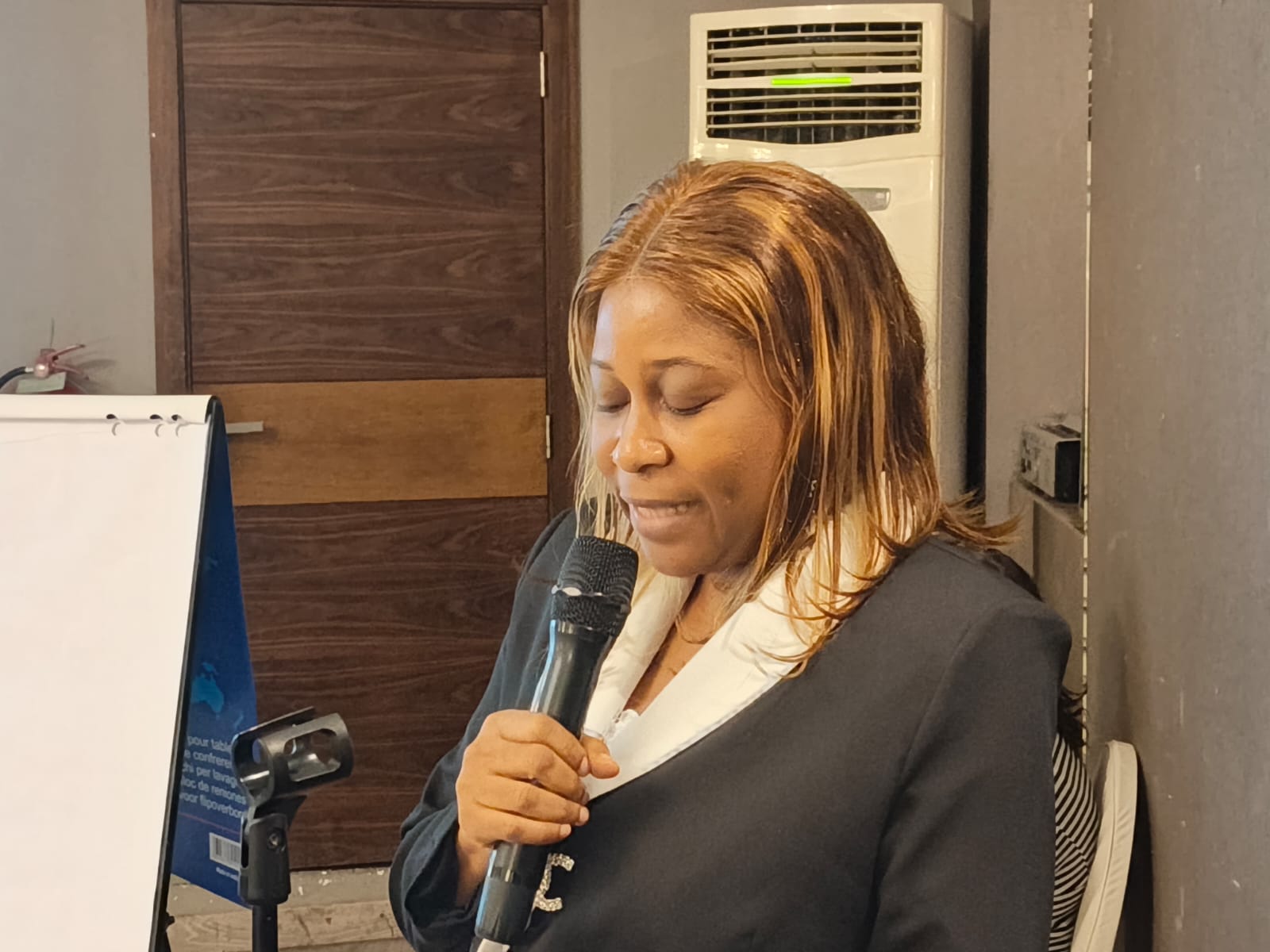
Acting Vice Chair of the Governance Commission Mrs. Juah was among the senior officials who led the charge for a strong and enforceable national framework that will ensure Liberia’s economy works for its own people. Speaking at the workshop she delivered a powerful assessment of the current situation noting that despite the immense impacts of development agreements on the Liberian economy there have been limited linkages to the domestic private sector leaving most Micro Small and Medium Enterprises unable to tap into the vast opportunities created by Foreign Direct Investment.
She was direct and unsparing in her diagnosis of the problem saying that local content in Liberia is currently governed by a fragmented array of sector specific laws and concession agreements creating inconsistencies enforcement challenges and limited impacts that have hindered the growth of Liberian businesses despite significant levels of foreign investment flowing into the country.
But the Acting Vice Chair was equally bold in her vision for what a unified and effectively enforced Local Content Policy could achieve. She projected that such a policy could redirect hundreds of millions of dollars in procurement to local businesses and create tens of thousands of skilled jobs over the next decade fundamentally transforming Liberia’s economic landscape by replacing a patchwork of rules with a powerful national strategy for inclusive growth.
Among the key objectives of the proposed policy is the integration of improved technology and advanced managerial skills directly into domestic markets and distribution networks. The policy also seeks to serve as the mandatory benchmark for all future investment negotiations applicable to large firms and their entire value chains including affiliates contractors and subcontractors. Crucially the policy aims to streamline requirements so that investors are not unduly burdened while still ensuring that Liberian businesses and workers benefit meaningfully from large scale investments.
Delivering the keynote remarks Acting Chairman of the Governance Commission Hon. Alaric K. Tokpa described the proposed policy as a major step toward transforming Liberia’s economy through stronger participation of Liberian owned enterprises in major investment and concession activities across all sectors of the economy.
Tokpa acknowledged that despite significant Foreign Direct Investment in Liberia over the years local businesses particularly Micro Small and Medium Enterprises have struggled to benefit due to limited access to financing inadequate technical expertise and weak managerial capacity. He noted that Liberia’s local content system remains fragmented under various sector specific laws and concession agreements creating enforcement gaps and limiting the impact on the domestic private sector.
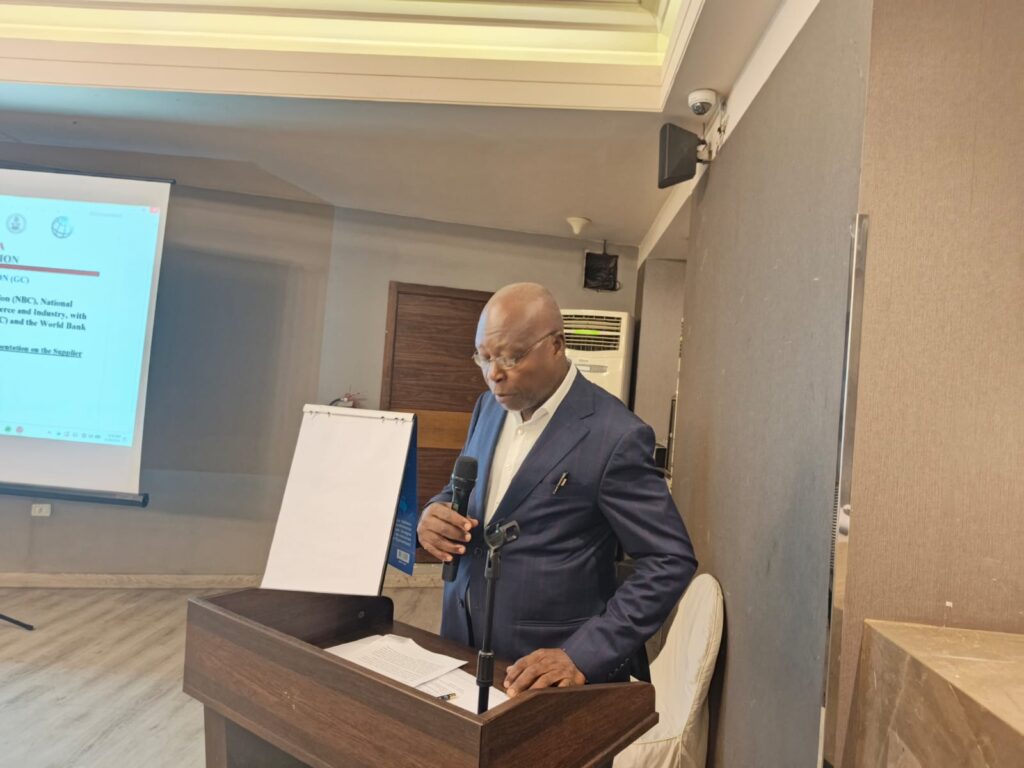
He was clear about what the new policy is designed to achieve saying most Liberian businesses have not been able to fully tap into the vast opportunities created by foreign direct investments and that this policy seeks to change that reality by creating a comprehensive and enforceable framework that prioritizes Liberian participation at every level.
The Governance Commission Chairman further disclosed that the policy aims to facilitate technology transfer strengthen local managerial skills and encourage knowledge sharing between foreign investors and Liberian enterprises. Under the proposed framework future investment agreements would include mandatory local participation requirements applicable not only to large corporations but also to their affiliates contractors and subcontractors ensuring that the benefits of investment flow down through the entire economic chain.
The workshop brought together representatives from an impressive coalition of institutions including the Governance Commission the National Investment Commission the National Bureau of Concessions the Ministry of Commerce and Industry the Liberia Chamber of Commerce civil society organizations and the World Bank supported Liberia Investment Finance and Trade Project known as LIFT-P. The breadth of participation demonstrated the widespread recognition across all sectors of Liberian society that a strong Local Content Policy is urgently needed.
Officials at the forum emphasized that the policy is fully aligned with President Joseph Nyuma Boakai’s ARREST Agenda for Inclusive Development which prioritizes inclusive economic growth and greater empowerment of Liberians across all sectors of the economy. The connection to President Boakai’s broader development vision ensures that the Local Content Policy will have the highest levels of political support needed for effective implementation.
The workshop also featured the presentation of a Supplier Development Portal intended to connect Liberian businesses to procurement and supply opportunities generated by major concession and investment projects nationwide. This practical tool promises to be a game changer for Liberian entrepreneurs and business owners who have long struggled to access information about procurement opportunities created by large foreign investments.
Tokpa concluded with a powerful message that captured the true spirit of the entire initiative saying that local content is not just about compliance but about creating jobs building capacity fostering innovation and ensuring that Liberians benefit directly from the country’s resources.
Participants at the validation workshop were encouraged to provide recommendations and technical input to ensure that the final policy remains practical transparent measurable and beneficial to both investors and Liberian citizens. The draft Local Content Policy is expected to become a key instrument in Liberia’s drive to increase domestic economic participation and ensure that foreign investments generate long term national development that benefits every Liberian.