
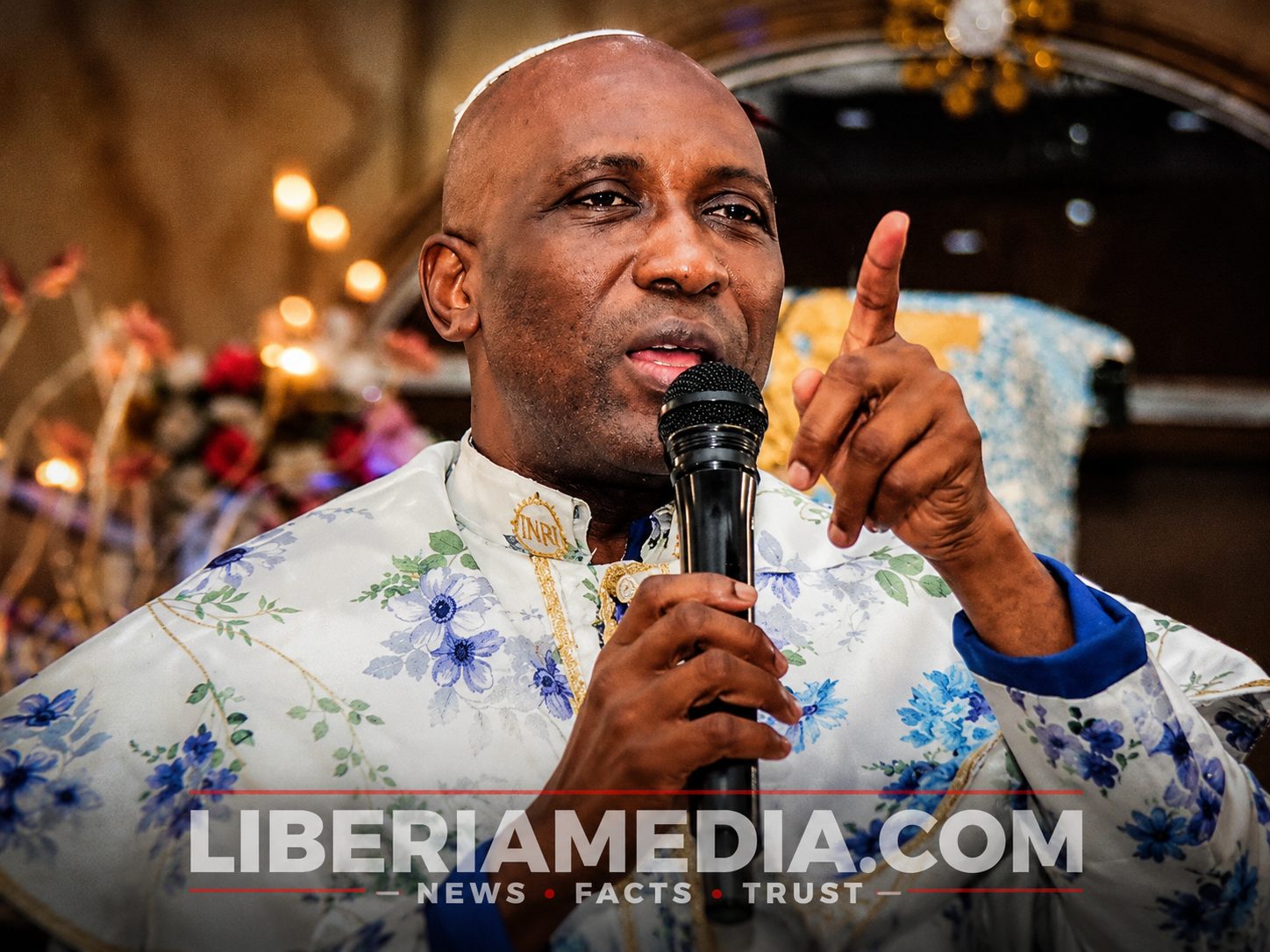
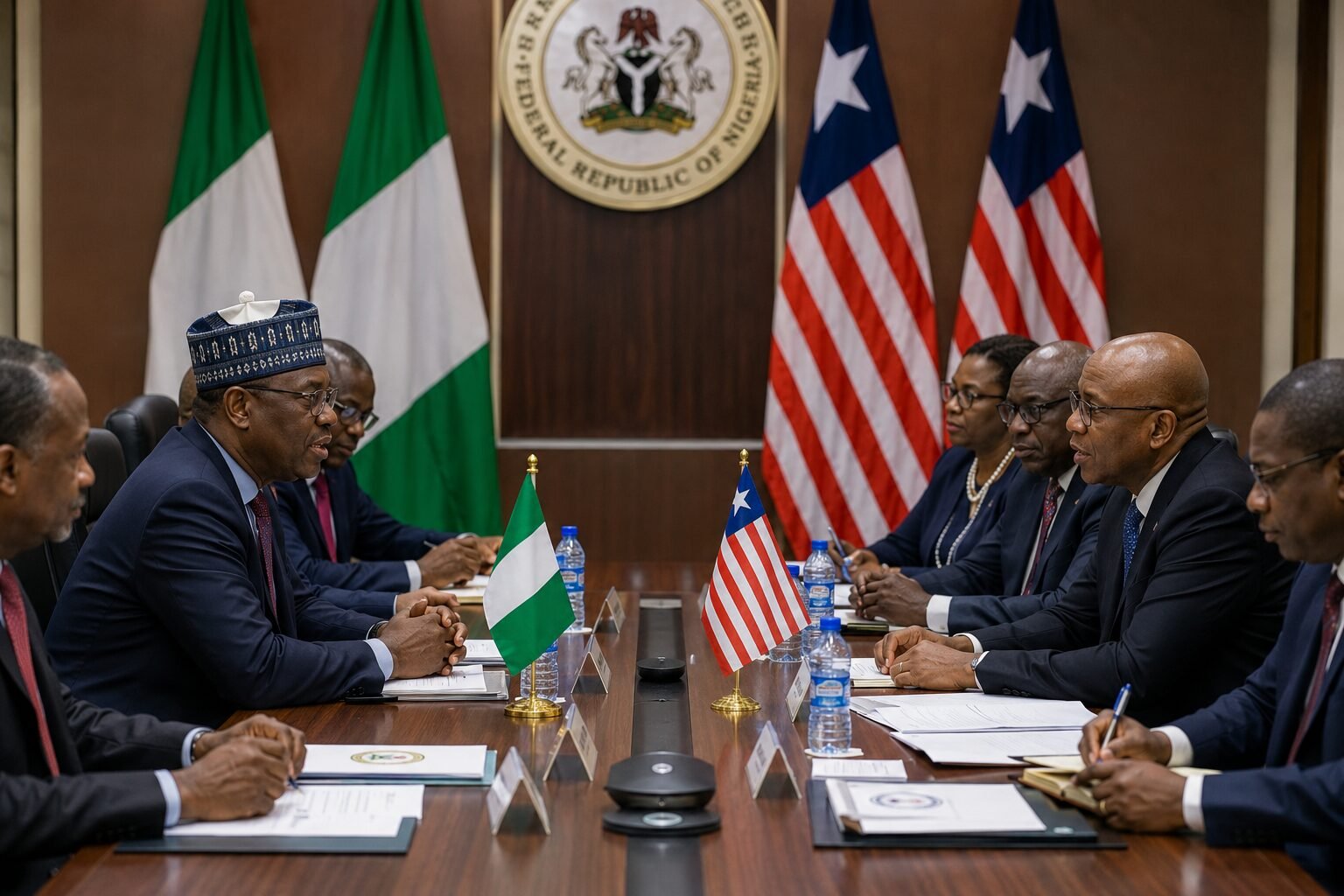
Nigeria rebuffs Liberia complaint over controversial remarks made by popular cleric Primate Elijah Ayodele regarding Liberian President Joseph Nyuma Boakai. Abuja has formally distanced itself from the comments, insisting they do not reflect the official position of the Federal Republic of Nigeria.
In a diplomatic response addressed to the Government of Liberia, Nigeria’s Ministry of Foreign Affairs clarified that the statements in question were made by a private citizen exercising his constitutional right to freedom of expression. The ministry emphasized that these remarks should not be interpreted as representing government policy. Nigeria rebuffs Liberia complaint by drawing a clear line between private citizens and state policy.
The response comes after Liberian authorities reportedly raised concerns over comments made by the Nigerian religious leader concerning President Boakai. Abuja, however, maintained that it bears no responsibility for opinions expressed by private individuals, regardless of their public profile or influence.
Why Nigeria Rebuffs Liberia Complaint Over Pastor Ayodele
According to the correspondence signed by Nigeria’s Minister of Foreign Affairs, Bianca Odumegwu-Ojukwu, Nigeria remains committed to democratic principles, including the protection of free speech within the bounds of the law. This is why Nigeria rebuffs Liberia complaint — the government cannot censor private citizens.
“Nigeria is a constitutional democracy where citizens are entitled to express their views freely.”
— Bianca Odumegwu-Ojukwu, Minister of Foreign Affairs, Nigeria
The ministry further expressed surprise that remarks attributed to a private religious figure had become the subject of official diplomatic engagement between the two countries. It stressed that such statements cannot be regarded as the position of the Nigerian state and should not form the basis of diplomatic concerns.
Background: Why Nigeria Rebuffs Liberia Complaint
Primate Elijah Ayodele, a prominent Nigerian cleric known for his political prophecies, recently made statements regarding President Boakai’s administration. His comments reportedly touched on governance issues and the future of Liberia’s leadership. Nigeria rebuffs Liberia complaint by insisting that Ayodele speaks only for himself.
While Ayodele enjoys a significant following across West Africa, his predictions have occasionally sparked diplomatic tensions. His remarks about President Boakai were perceived by some Liberian officials as inappropriate interference in domestic affairs. However, Nigeria rebuffs Liberia complaint by drawing a clear line between individual expression and state policy.
Nigeria Rebuffs Liberia Complaint While Preserving Ties
While rejecting any official connection to the pastor’s remarks, the Nigerian government reaffirmed its longstanding friendship and cooperation with Liberia. The ministry highlighted the strong historical and bilateral ties between the two West African nations and called for continued collaboration on issues of mutual interest.
Abuja also encouraged both governments to focus diplomatic exchanges on matters of direct government-to-government importance, rather than statements made by private citizens acting independently of state institutions.
The diplomatic clarification is expected to ease tensions surrounding the controversy while reinforcing Nigeria’s commitment to maintaining cordial relations with Liberia.
Nigeria Rebuffs Liberia Complaint: Historical Context
Relations between Liberia and Nigeria have traditionally been strong. Both countries have cooperated through regional bodies such as ECOWAS and the African Union. Nigeria played a significant role in peacekeeping efforts during Liberia’s civil wars, contributing troops to ECOMOG forces.
Economic ties between the two nations have also grown in recent years. Nigerian businesses have invested in Liberia’s telecommunications, banking, and construction sectors. Many Liberians have studied in Nigerian universities, further strengthening people-to-people connections.
Observers say Nigeria rebuffs Liberia complaint while seeking to preserve those ties, drawing a clear distinction between the actions of private individuals and official government policy.
Diplomatic Protocol: Nigeria Rebuffs Liberia Complaint
This incident raises important questions about diplomatic protocol in West Africa. Should governments be held responsible for statements made by their citizens? Nigeria rebuffs Liberia complaint by suggesting that private citizens’ views do not constitute state policy.
However, some observers argue that prominent figures like Ayodele, who have significant international followings, should exercise greater caution when commenting on foreign leaders. Their words can carry unintended diplomatic consequences.
Liberia’s decision to formally raise the matter with Nigeria indicates that the comments were taken seriously at the highest levels of government.
What Happens Next After Nigeria Rebuffs Liberia Complaint
As discussions surrounding the pastor’s comments continue in public circles, Nigeria has made it clear that the views expressed by Primate Ayodele remain his personal opinions. They should not be construed as the position of Africa’s most populous nation.
Both governments are expected to maintain regular diplomatic contact. The focus will likely shift back to areas of mutual cooperation, including trade, security, and regional stability.
Liberia has not yet issued a formal response to Nigeria’s diplomatic note. However, diplomatic sources suggest that Monrovia is likely to accept Abuja’s clarification and move forward.
For now, Nigeria rebuffs Liberia complaint while reaffirming its commitment to democratic values and strong bilateral relations.